-
Congratulations! You Succeeded!
Yesterday my oldest graduated from 8th Grade. The middle school did this very nice,
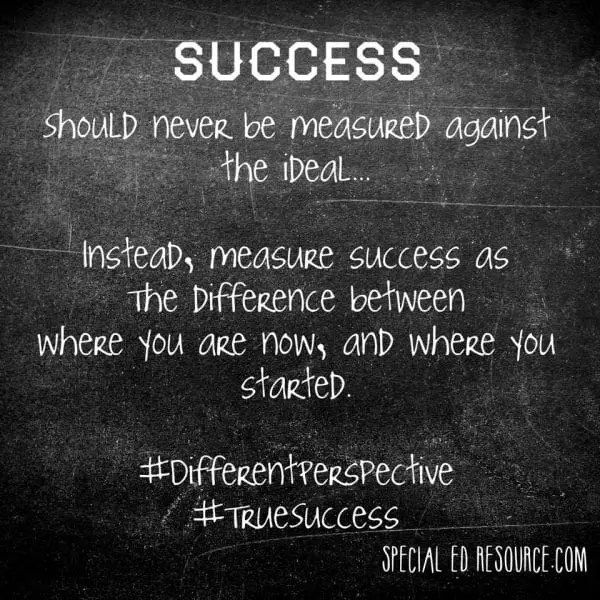
and chill ceremony. I have been seeing and commenting on many posts of children graduating from Kindergarten, 5th Grade, 8th Grace, and of course, High School. (I don’t have many friends with kids in college yet, so at least I still feel somewhat hip and young lol). All of these graduations got me thinking about those children and teenagers with an FASD, or any disability or academic struggles. I think instead of using the words “You Graduated” which has been used for years and years, maybe we start saying, “You Succeeded!” Or, “You are a success!”
grad·u·ate– successfully complete an academic degree, course of training, or high school; a person who has successfully completed a course of study or training, especially a person who has been awarded an undergraduate academic degree.
suc·ceed: achieve the desired aim or result.
suc·cess: the accomplishment of an aim or purpose.
I know to some of those reading this I may come across as one of those that believes everyone should get a trophy, and that there are no winners or losers. I am not one who believes that.
I just started thinking how the word graduate is so much more objective, with boxes to check, and numbers to meet. Succeed is subjective, the definition of success looks different for everyone. For those of us with an FASD or a disability, success for one person may look like running out of a classroom 2 times a week instead of 5 because of impulsivity, while being able to follow 2 step directions 70% of the time is the definition of success for another. So while a child may not check all the boxes to “graduate,” Many children, if not all, succeed. I went to Graduate School for Speech Therapy, and they failed me. I didnt have a diagnosis at the time. They tested me for a learning disability and told me something was off but couldn’t decipher what it was. I don’t think anything would have changed if I had a diagnosis though. They probably would have failed me anyway. They never tried to help me with my report writing. They never helped me understand how to teach children speech and how to adapt to their needs. I asked for help, but I myself wasn’t sure how I would learn successfully. Looking back, I definitely succeeded,although I didn’t graduate. I succeeded in the classroom setting in rote memorization of upper body anatomy. So, I consider myself a success at graduate school. Some components of it anyway. I think success can be, and is met at every level of schooling for those with a disability. Success looks different for everyone, and that is a beautiful thing. So my friends, take a look at your child and their schooling. Ok, maybe they will not graduate as defined by the school, but they damn well succeeded, and that counts for so much! Sometimes it counts more than graduating. So children and teens, go forward and succeed. YOU GOT THIS.
-
CATEGORY CHAOS
When I went to a Neuropsychologist in 2014, hoping to obtain an FASD diagnosis, the doctor had me list items in different categories. I remember I sucked. Big time. Part, jwas being put on the spot, and nerves. Most of it though, was due to my FASD Brain. I was asked to list Animals with 4 legs, and I gave maybe three over a minute span. I know so many more than 3! My brain could not execute the function of categorizing which animals have 4 legs. Given more than 1 minute, I could have given him so many more! The result was a deficiency in categorizing, or something to that effect. This neuropsychologist though, he did not diagnose me. He walked into the examination room, and told me this: “I looked up FAS right before I entered this room, and you don’t have any facial features, and I don’t know anything else about FAS.” Right. A NEUROPSYCHOLOGIST, A DOCTOR WHO DEALS WITH THE BRAIN. Who Specializes in the brain. Cool. Thank you for nothing.
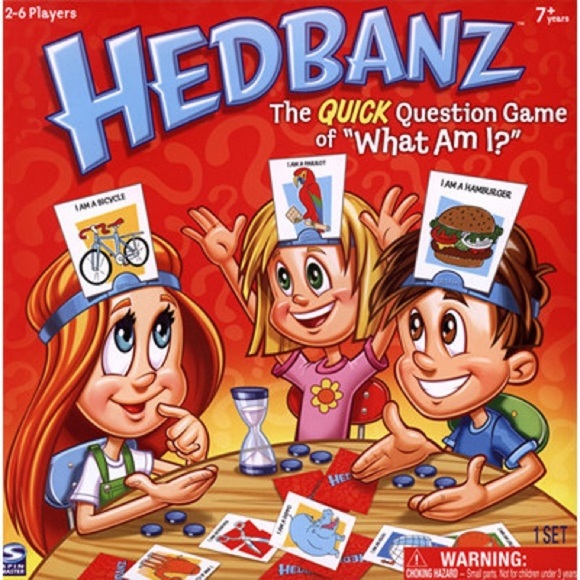
I have since been diagnosed by a genetic pediatrician, although I was 34 years old. As the years have passed, especially these past couple years, since Covid, I have become aware of my strengths and difficulties, and why I do certain things I do. Friday night I went to a friend’s house, and she wanted to play Headbanz. It is a game where you put a plastic headdress on your head, and then pick a card and stick it on the headband, so the other person/people can see it. The only thing I knew was whether it was a person, place, or thing. I had to ask yes or no questions and figure out what my card was. I realized during this game asking questions to determine Who or What my card may be was very difficult. I had MOhamed Ali, and I knew it was WHO AM I? Thinking of questions that correlate with WHO AM I, I was not so good at. My friend had to help me with what questions to ask. Needless to say, some of my questions would come out of left field and be extremely specific. Instead of asking a broad question such as, “Does my person play sports?” I asked “Does he box?” Turns out it was a lucky question, and I got the answer.
Another category game I am actually really good at is Scattergories. You throw a letter dice, and then you pick a list and whatever letter you rolled you have to think of items/places/people with that letter on the list. This game gives you broad categories, but you aren’t asking questions. You are looking for objects that start with the letter rolled. A much smaller field of answers.
I think these two games may be excellent in working with those with an FASD to work on improving categorization, and naming people, places and things. Another game is Guess Who, although that can get confusing trying to figure out if someone has a mustache, then do you put down all those with or without a mustache. The answer seems simple, but to those of us with brain damage, it can be oh so confusing.
-
Let’s Get Physical
Hey there my friends. So, I have been thinking about this “mark” on one’s palm that can be indicitive of those with an FASD. The Hockey Stick Formation. When I got my diagnosis, the geneticist advised me that I had, “the mark.” She did not call it that of course. I do though. On both of my hands, I have this formation. Now, not every single person that has an FASD has this mark, and not every person with this mark has an FASD. It can occur when the hands are forming in utero, depending on when and how much the woman drank during pregnancy. There is NO EXACT Science. My mom has the hockey stick formation, and her mom did not drink during pregnancy. It is also known to occur in some who have Down Syndrome.
So, I figured I would talk about other physical features I have from my birth mother drinking during her pregnancy, that MAY be part of someone with an FASD. Please take note of the word MAY. People who don’t have an FASD may also have these physical traits. Let’s start from the top:
- A small head circumference. The geneticist used one of those Seamstress flimsy tape measure things, and placed it around my head. My head circumference is in the 3rd to 10th percentile for adults. My 10 year old and I share hats and sunglasses.
- My eyes: I have slightly small and asymmetrical palpepbral fissures (the distance between the upper and lower eyelids) which can play an optical illusion, making one’s eyes appear far apart.
- HORRIBLE VISION: I got glasses at the age of 9, and I can’t see the BIG E the eye doctor has on the letter chart. I told my eye doctor once, I know it is an E, because all of you have that letter. (I don’t think he found that funny).
- My upper lip is very thin, and I have a long philtrum (The indent in one’s upper lip, sometimes it is non existent. Mine was as an infant, over time it developed ever so slightly).
- My mouth is very small. From the age of 6 until maybe 12, I had my baby teeth removed by my dentist to make room for adult teeth. I also had 4 adult teeth removed, and was blessed with braces for my middle school years. I thought it was normal to be on a first name basis with the dentist, and for my parents to be so friendly with him. Yea, we spent ALOT of time there. I always have to use the flouride trays for little kids, even today. Never had a cavity though!
- My pinky toe nails: I don’t have any. They never grew properly. They are hard crusty things like mini boogers. I didn’t know until I met with the geneticist this has a name “toe nail hypoplasia.”
- As a baby, I was diagnosed as failure to thrive. My pediatrician mentioned Fetal Alcohol Syndrome to my parents based on my facial features and small stature, but that was in 1980, and he didnt have any contact with my birth mom, nor did my parents. I didn’t eat much for 18 months, and was constantly sick with ear infections and bronchitis. At 18 months, I had tubes placed in my ears, and that helped things. I started to eat more, and I started to thrive. Fetal Alcohol Syndrome was off the table until I was 34.
HIGH FIVES EVERYONE!

-
Run FASD 2022
It is happening a second year in a row. I am so super psyched. What started as a little dream, a 5 year dream plan if you will, became reality in…well…9 months. The annual Run FASD VIrtual 5k. What is it, and how did it come about? Well, let’s drift back to January, 2021. I was asked to be on a podcast, “FASD Hope” hosted by the incredible Natalie Vecchione. One of the first questions she asked me was, “What is something you want to do in the future? Where do you see yourself in five years?” I had been toying with the idea of creating a 5k of some sort, at some point, before I was old and senile, and my idea of a run was a run in my pantyhose. I had talked to my mom about it months prior, and she had mentioned doing a race for Fetal Alcohol Syndrome. So, I told Natalie, thanks to my mama, a run for FASD would be amazing to create. I wanted to have a race that had meaning. This race would raise awareness of this extremely common, yet unknown and invisible disability. It would bring light to what are still shadows of understanding. I thought virtual would be the way to go, since Covid was still dominating our nation at that point. I can’t take full credit of this virtual 5k that has become nationwide and Canada wide. After I mentioned my dream to Natalie, she said, “We are going to make this happen. Your dream is going to happen, Rebecca.” After that podcast, Natalie reached out to FASD United (www.fasdunited.org), and spoke to the infamous, wonderful, change making Jennifer Wisdahl. Jenn ran my idea of a virtual 5k for FASD by the president of FASD UNITED, and we got the green light! After we got the ok, the three of us went to work creating what would become the first ever virtual 5k for FASD. On September 9, 2021, what is known as National FASD Awareness Day, the Virtual 5k Run FASD kicked off. It went for 5 days. We raise $6,000.00 for FASD UNITED, and had 242 registered runners. What is UNIQUE about this VIrtual 5k is that you don’t have to run it. You can walk it, you can bike it, we also had someone walk the 3.1 miles over a few days. One person was going to row 3.1 miles in his boat! People and children can roll it! The first year was an amazing success. Natalie and Jenn say I am the lead singer, aka The Coach, and they are my back up singers. NOPE. NEVER. They were right next to me on that stage of hope and creation, creating this amazing event, and they are right next to me again, in 2022. So, tie up those laces, put air in those bike tires, slap on a life jacket, get your roller skates out! It is happening again this year! The VIrtual 5k Run FASD 2022 is happening! Join this race to raise awareness for a disability that is near and dear to our hearts in some way. Let’s continue to educate those around us about FASDs, and how incredible the people are that live with an FASD. Let’s help people to see US, NOT THE DISABILITY.
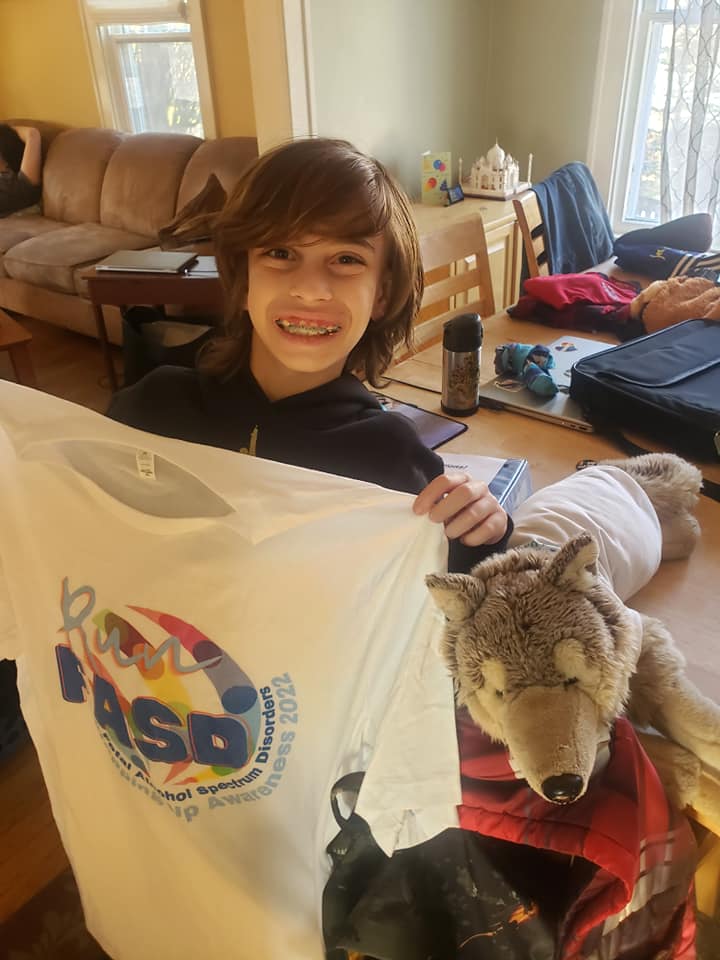
2022 SHIRTS! 
Nico, my son, one of my main supporters, partial creator of this race and the tshirts Take some time to register! You can also form a team, create a community race, donate and/or BECOME A SPONSOR!
-
SATIATED WITH SENSORY

It always brings a smile to my face when I look back on my childhood, and some odd pastimes I had. Why, you may ask? Since my diagnosis of Fetal Alcohol Syndrome, I have realized that although my past fun may have looked odd, to the sensory seeker, it was heaven. I see that now. Before I had my diagnosis, I thought playing Meatball Sandwich with Flip and Fold chairs was a bit odd. You see, my brother is 4 years older than me. When I was in elementary school, he picked on me (like older brothers do). One game he made up, most likely because he thought it would make me cry, he named Meatball Sandwich. We had these two Flip and Fold Chairs that I know by a different name, but given the audience for these posts, I will not use that name. My brother and I would take one of the chairs, and it would become the outside of a sandwich. I would go inside the sandwich, and my brother would jump on it. Then we would swap, and I would get a turn to jump on him. I remember the weight, the feeling of the constant jumping, the reverberation through the chair’s padded material onto and into my body. I never cried. It never hurt. I used to initiate the game, and now I know it was because I was craving that sensory input. That weight, that constant vibration, I LOVED IT. I have switched out my Meatball Game for a weighted blanket, which doesn’t look as odd as an adult sticking out of a flip and fold, while their significant other jumps on them.
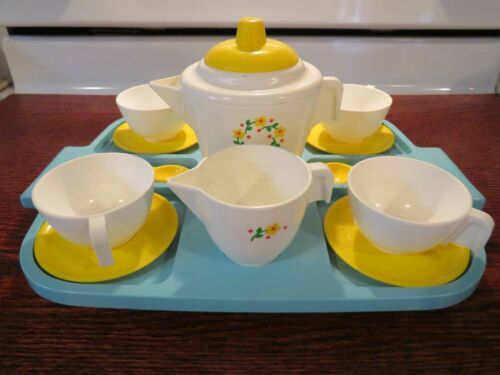
I remember I had this plastic yellow and white tea set, with a blue tray. I think it may have been Fisher Price. There were 4 yellow plastic spoons. I loved to stir the spoon in the cup. The sound it made, that clicking against the plastic, such an awesome sound. I wish I still had that tea set. The motion of turning the spoon and the sound it made centered me.
I had issues with textures growing up, and still do. I have never liked eggs, in any way, shape, or form. The smell alone makes me want to vomit, but the texture! Rubbery, jiggly, smooth and chunky when they are hardboiled. NO THANK YOU! Oatmeal and me are on the same playing field as eggs and me. I can tolerate the smell though.. As a child from the 80’s, who remembers the polyester nightgowns, with the character print on them.? Or the flowery print? They made me itch. I can still remember feeling the seams on my skin, and the outside was fake soft. It was as if the creators of the fabric were trying to get people to overlook the itchy seams and coarse feel by putting a layer of what felt like cheap felt on the outside. Nope, glad the 80s are over, and when I am old you will not catch me donning Polyester pants or suits. I also can’t stand the way 3D texture feels. When I run my fingernails or fingers against it, makes me grind my teeth. The feeling is similar to nails on a chalkboard. I have to admit, I am glad chalkboards are a thing of the past.
Loud noises seem to bother me more as an adult. I do not remember shying away from loud places and loud noises, although maybe that is why I was not a fan of the mall or Disney World. I used to go to Air Shows as a kid, but I really enjoyed them, and the noise never bothered me. Maybe because to me, the Blue Ahgels sound like White Noise. I notice at my kids Tae Kwon Do, when they have to say,”Yes Ma’am,” and recited the Tae Kwon Do creed, I have to cover my ears. I feel like my ears are going to explode. I wait impatiently for the screaming to end. If there are sounds that go off unexpectedly, sometimes I jump, and I am reminded of the babinski reflex, where a doctor runs their finger along the bottom of a newborn’s foot, and it curls in response. That is my reaction to unexpected loud sounds. I cringe. My whole body goes babinski.
I wanted to share my sensory life, and how different sensory inputs affect me. I have learned that I am without a doubt a sensory seeker, and that has made my day to day life more doable, and enjoyable.
-
MY FASD isms
- Impulsivity: Once me and my son were alone at home and we were talking, but there was also a big bowl filled with water and my son had a toy lizard. So i couldn’t resist the urge to let the lizard take a quick swim, I threw the lizard into the water and it splashed onto a yearbook. This is why you don’t drink alcohol during pregnancy, because your child may splash water onto some perfectly good books. There is also the time our family was sneaker shopping, and one of the sneakers was on display, with its toe JUST HANGING OVER the top of the shelf. Of course i had to push down on it so it would fly across the aisle. (I had only just turned 40, with a younger mindset) https://www.facebook.com/rebecca.tillou/videos/10159630471917468/
- Word Retrieval: I have noticed every year this gets worse. I do not know if it is because the demands of life get bigger, or I am just getting older. I mix up words and have the hardest time thinking of words. My kiddos and husband love to tell the story about how I couldn’t think of the words cell tower and I started twirling my index finger above me in a circle. Then there is the time I told my youngest to go wash his hands in the toilet. Or, at a restaurant once I asked my kids if they wanted to look at a machine (instead of a menu). A tip for this is I use circumlocution, where I describe the item the best I can. If I can’t think of the word dresser, I will tell my husband it is the big thing in the bedroom, with drawers.
- I talk to myself, ALL THE TIME. I mean, I have conversations with nobody as if someone is there. My family knows the events of my day just by listening to me talk in the shower. It is constant chatter. I believe it may have something to do with needing that vocal stimulation, that vocal feedback in my brain. My mom tells me I babbled incessantly as a baby, before I learned to talk.
- I talk loudly. I don’t think I have a hearing issue (my children will tell you otherwise). I don’t seem to understand volume. If I am excited about something, I get loud quickly, and talk fast. (It apparently can be annoying).
- Sensory Issues. What neuro-typical people may not hone in on, my brain does: In a department store, the noise a metal hanger makes as it is pushed around the metal circular platform. I can hear it, I can hear many of the hangers scraping along the metal, I feel the sound in my teeth. The feel of a fork tine on porceline…yep, nope, hate it. Sudden noises, I jump, get startled, and sometimes scream. Noises that other people just push along, as if they never happened. Like a fire alarm, a bell signaling the end of school if it goes off before it should. Any sound unplanned and loud makes me squirm.
- Perseveration: This is a positive in my workplace, because I become hyper-focused on finding and fighting fraud, and I get to go down rabbit holes (not literal rabbit holes), but I get to get lost in all the directions I get taken to find the bad guy.
- Abstract Concepts: My understanding has gotten better with age, but I still struggle. I remember when I was 7 or 8, those street signs that mean go straight, but the arrow is straight up in the air? I never understood how our car was supposed to fly.
- Time doesn’t seem to pass for me like it does for neuro-typical people. I will think of an event that happened 5 years ago, and honestly think it happened in the last year. People don’t age in my brain. I always remember people at one certain age. Then they tell me they are 5 years older than I remember.
- I have difficulty getting to the point of what I am trying to say, when speaking to people. Quick and concise is so not me.
- I am very friendly and want everybody I meet to be my bestie in 1 day. I have gotten better at this (although I do have 566 friends on Facebook, and probably only really know 100 of them).
- Cause and Effect Issues: Being the friendly person I am, if someone needs something and I have it, I will gladly give it to them, not thinking of the consequences (eg: A post on Facebook is asking for a kids winter coat). I respond to the post that I have one and proceed to give them the ONE extra coat I have for my kid for the next year. Not thinking that now I don’t have a coat for next year. I gave away my prescription Acne Medication to my cousin (Retin-A) when I was in high school, because she wanted to try it. I didn’t realize my mom paid money in co-pays, or that you shouldn’t share your prescriptions. I also will pay for meals for people, give them money for vending machines, and never think before I do it. I went to a grocery store on my lunch break a few years back at work, and a coworker asked me if I could pick up a couple things. I didn’t know her that well, but I thought all she was asking for wasca soda and a bag of chips. Nope, she gave me a list of items for her FATHER who was coming into town. I am persuaded easily, and of course I fulfilled her list. Don’t think I ever got paid back either.
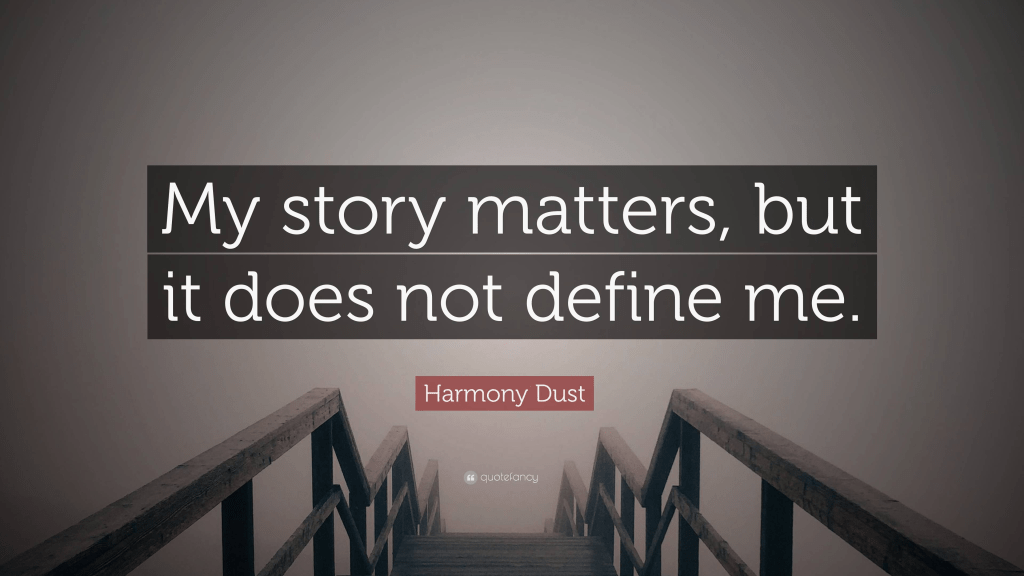
This is just a glimpse into my life, my brain. I have learned to live with these “Isms.” They make up my soul and who I am, and I am ok with that. Actually, better than ok. FASD DOES NOT DEFINE ME.
-
Motherhood
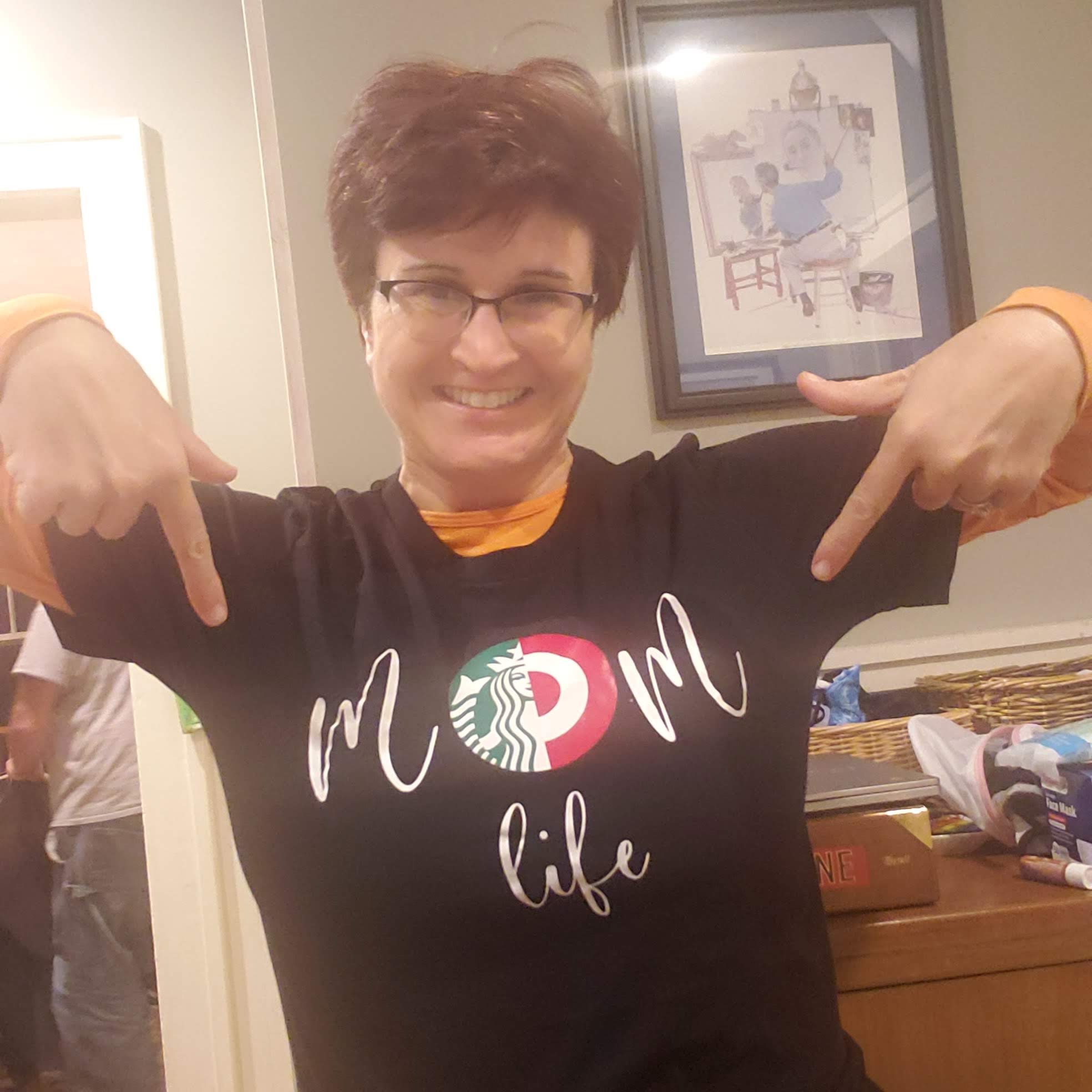
I figured since it is Mother’s Day, I would give people a glimpse into my life as a mom living with a disability. So, here goes:
It has its moments. Ask my kids, ask my husband. My brain works overtime, every day, all week. I know everyone’s brain takes in tons of information every day. Those of us with a brain disability, our brains work hard to comprehend everything thrown at us. Slight changes in schedule can throw us off, make us moody. All that information, those changes, they make us tired. Very tired. I require lots of sleep every night. I need at least 10 hours to not be cranky. It doesn’t happen often, because I am a wife, a mother, and I work full time. There are things to be done. So throw in all the information being taken in every day, changes in schedules, and not enough sleep, and you have a cranky mom. I have learned some tips and tricks to not be as cranky. I try to get to bed earlier. TRY. Doesn’t happen often. I try to exercise every other day, either running or a strength work out. The work out gives me an adrenaline boost, which makes me less cranky, and more apt to handle life. I try to stick to a routine Mondays through Fridays, and I find that helps my children and me get through the week with less temper tantrums, usually mine. Clutter is a constant in my house, and I get overwhelmed very easily when I think about cleaning my house and putting things away. When I get overwhelmed, my brain shuts down, and nothing gets accomplished. This can be frustrating for my husband when I shut down, and the mess is left to him and the kids to clean. I have a limited filter when I speak, so many times I will say things before thinking them through, and end up embarrassing my 2 boys.
There are a few advantages, I think, of being a mom with a brain disability. I have dysmaturity, and am very silly and can really get into building forts and rocket ships and enjoy a good game of hide and go seek and leap frog. I enjoy the novels my 10 year old reads, and we will often read them out loud at night, and honestly look forward to reading the following night to find out what happens (Yes, at 42). I am also the grown ass woman who will be sitting around the dinner table and throw a piece of broccoli at my child because, well, why not? Or at the mall shoe store, see a sneaker on display and tap down on it to make it fling across the aisle (This does not happen often, just when my impulsivity gets the best of me). I enjoy being a mom and being young like them. I feel like I connect better to my children because of my dysmature brain, when it comes to fun and family time.
Are there days when I wish my brain was not neuro-divergent the way it is? Of course. I wish I wasn’t always exhausted at the end of a work day, I wish I could partake in conversations with my 14 year old and my husband over politics and understand what I was talking about. I wish I did have more restraint before blurting out embarrassing words, such as, “Did you fart, Nicolas?” In front of his friends. I realize though, that every single parent out there has things they wish they did better, things they wish weren’t a part of who they were. None of us are perfect. We each try our best every day, and come through for our families and kids the best we know how. We are all works in progress, and I am happy with who I am, and who I am becoming as a mom.
-
It’s Coming
Click on the site! Check it out! The second annual Run FASD 2022 VIRTUAL 5K is coming September 9th through September 25th! Become a Sponsor, make a team, join a team, be a team, make a donation! Pick and choose one, or all of them! Step up awareness of FASDs, the invisible disability that us 1.5 times as common as autism in the U.S, and 2.5 times as common as autism in Canada. Step up, and others will follow in your steps.
-
R-E-P-E-A-T, FIND OUT WHAT IT MEANS TO ME
Hey everyone. So, my past two blog posts have been a little deep. So, I wanted to talk about a lighter topic. A positive topic. I have been a medical auto claims adjuster for 15 and a half years. I am good at it. Took me a while, longer than most I would say, but I got it down now. And…I live with Fetal Alcohol Syndrome. No two people with an FASD are the same, but I will tell you, ask anybody with an FASD or someone who is touched in some way by FASDs, and they will tell you, REPETITION helps. With LOTS of things. With following directions, learning a song, remembering a part in a book or a movie, learning a new task, like cooking, cleaning, or tying your shoes. In the past couple months I have realized the type of job I have is repetitive in nature, and that in addition to my empathetic nature, repetitive functions has led to my success as a claims representative. Every single day, I turn on my computer, and go into the same 3 systems. I perform the same key strokes for each system every day, and every day I make phone calls to people and ask them the same questions. I press the same buttons every time for the same functions every day. I click the complete button on everything when i am done, and the tasks go away. It took me a bit longer than others to master the systems, but now it is in my memory, and in turn I am a great employee!
Some may wonder why repetition helps our brains. I think back to my kiddos, when they were between 18 months and 5 years old. They liked to watch the same movie OVER and OVER again. Or read the same books OVER AND OVER AGAIN. Yes, for me as a parent it would become boring and mundane, to read a book or watch a show for the umteenth time. I realize though that this is how my kids were learning. They were storing away bits and pieces of the books and movies into their memories, through repetition. Our FASD brains work in a similar fashion.
My kids go to Tae Kwon Do classes, and they participate in Sparring. Well, Sparring has all of this gear to put on. Through my own introspection, I have realized why I am not very helpful getting the gear on and just stand there holding a helmet that goes on last. I only help with sparring once a week. I need a few weeks to learn what gear on first and second and so forth. I asked my son today before we left for Tae Kwon Do the order the gear goes on. He told me, and in my head I realized the bottom half goes first, and then the top portion. I filed it in my brain in a way my brain could remember, and as a result I was successful tonight. This is not to say next week will be the same though. Some days, I will remember clearly. Other days are a little cloudy. Sparring gear has this chest protector called a Hogu that ties in the back. If you ask anybody, they will look at you and tell you, it ties like a shoe, how can you be so confused? Let me tell you how. It doesn’t look like a shoe, and the damn thing is upright, and i am crossing ties across and down. It is not the same as a shoe. So, I had to watch someone do it a few times over a course of 3 weeks, then I tried it a few times over 2 weeks, and now I have it down. To me, you switch out an object for another object, and you are going to lose me. You will have to start over teaching me what is common knowledge to you, and repeat it again and again. Be patient with us, we will retain the information, in our own time. Our brains work, they just follow different paths to get to the same result. So,
R-E-P-E-A-T to me means S-U-C-C-E-S-S.

-
Manipulation…take 2
Hey again. It’s me. The one who talked a little bit about manipulation, and being manipulated with an FASD Brain. Ok, so, there is one more situation I want to share, and it is personal, it is deep, and it is raw. It is also real.
Here goes:
I was 15 years old when it started. The crush. My assistant cross country coach. He was 30. Nothing special to look at, crazy, wild, untamed curly locks, small stature, a runner’s build. The attention though. He paid attention to me, to all the girls. What 15 year old girl wouldn’t like that, right? The crush on my end seemed normal, many of the girls on my cross country team lit up when he talked to them or ran with us. There was a difference though. Between the other girls and me. I was 15 chronologically, but 10 maturity wise. That “innocent crush feeling” those other girls had, mine was intensified. It was like an obsession. I am not saying 10 year olds have obsessive thoughts on their crushes. I did though. I zoned in on his attention, his running with me, his words, his pats on the back, his smile. He became the center of my thoughts, my world. He started substitute teaching in my school, and would occasionally sit at our lunch table and eat with us. I had NO CLUE this was not appropriate behavior for an adult teacher or coach.
The kiss didn’t happen until I was 17. He memorized what classes I had when and where, and would walk by the doorways to them. He would write notes and hand them to me. I was the one who invited him for pizza after a regional meet on our home course. I invited the other teammates also, but nobody showed. He did though. So him and I stayed, and we ate. He told me it wasn’t right, what we were doing, yet he stayed. Now he was 32. We walked out of that pizza place, and stood there, looking at one another. He hugged me, and then got in his car, and drove away. My high school had a bon fire. I remember he had mentioned coming. I saw him, and I remember losing it. I was yelling and crying, because I saw him there. Total obsession like. Not my normal, at all. The next time we saw each other I was invited to his apartment to watch a movie. I lied to my parents, told them I was studying at a friends house. I knew they would think what was going on was wrong, but I had him all to myself. I didn’t think ahead to the consequences of being caught. I was in love! I went to his apartment, and we watched Bed of Roses with Christian Slater. My pick. After, we talked. Then I tried to kiss him. I made the first move. He tried to dodge it, say it wasn’t right, but he didn’t try too hard. He gave in. After that night, everything changed. I became an expert liar, you see. Up until meeting him, I was a great child. Never got in trouble, never lied. I got good grades, I had a good couple of close friends. The obsession took over. He would wait for me in my neighborhood, in his car after school, when we didn’t have track or cross country. He would leave me notes in a park up the road from my house, in a little hollow of rocks by a creek. He would write me love poems. My parents found out about the relationship when I think one of my friend’s boyfriends told the principal. I was walked to the office by the principal, making small talk about colleges. I got into the office, and was taken into this room with a table. A police officer and a social worker were there. The police officer asked if we had been seeing one another, and I said no. The officer told me she had my phone records, and knew I had made calls to him. I unfolded and told her EVERYTHING. She told me I WAS THE VICTIM. I didn’t get that. I didn’t understand what was WRONG WITH A a 32 year old man liking a 17 year old girl. I told my parents everything after school. The officer advised it was either I told them, or they would. They were devastated. I had to tell them in detail everything we had done. This went on until February 11, 1999, my Freshman Year in college. I went away to college, and was still dating him. I had no friends in college, never went out, just pined over this guy who had gotten into my head. He kept telling me age didn’t matter, that he would help me find my birth parents, and he would never leave me. He said my parents didn’t love me, because they didn’t approve of our relationship. I tried a few times to break it off, before college. He told me over the phone he had a piece of glass in his hand from the mirror he had just punched. He kept saying, “No, don’t do it, I won’t do it.” What I saw as a cry for help, a sadness over a girl breaking his heart, I now know was a manipulative move to get me to stay with him.
Yes, I was a teenager, but I was a teenager who didn’t understand boundaries, who didn’t understand right and wrong when it came to relationships. I didn’t understand cause and effect when I lied to my parents over and over again, and got caught. Most would stop doing what they were doing, or be smarter about it at least, so they weren’t caught. Not me. I repeated the same method of lies. “I was studying, I was working, I had late practice.” I had all of his letters in a box, NEXT TO MY BED! No lock or anything! Never thought about hiding them.
He was my first. I remember talking to him from a payphone in my school (yes, it was that long ago), and telling him I wasn’t ready. I remember him saying he had bought all this romantic stuff and we should just try it. He was pushy. I gave in.
It ended when I was a freshman in college, on my terms. My parents filed a court case against him and his relationship with me. My parents tried to get him on charges for sex without consent (I rather not use the other word given audiences), but in Maryland, the age of consent was 18. He knew this, which is why we did not until I was 18. Manipulation, again. The verdict of the court case was he got his teaching license revoked in the state of Maryland. I moved on, and my family worked on repairing our relationship that I had torn apart. I am now 42 years old. I have a 14 year old son. I look on in disgust what happened to me, and how my son is only 1 year younger than me when it started. My brain has matured since then. A lot. I realize now how I was manipulated, how wrong the relationship was, how he “groomed” me.
Why did I decide to tell this story? Those of us with an FASD, our brains have damage. One of the areas that are damaged the most is the executive functioning part of our brains. The part that can correlate cause and effect, the part that controls impulsive, obsessive behaviors. The part that can tell (most times) when another person is not being genuine, or is acting inappropriately. This is my story, this is my truth. I am putting it out there to give others insight into just one’s brain with an FASD. Thank you.

-
Subscribe
Subscribed
Already have a WordPress.com account? Log in now.
 FASD N' ME
